allisles.com
Little Cayman
allisles.com
Little Cayman

Little Cayman: Complete Caribbean Travel Guide
Visa Free
Last updated:
Quick Facts
- Visa Required: No (visa free for most nationalities)
- Currency: Cayman Islands Dollar (KYD)
- Language: English
- Best Months: November, December, January, February, March, April
- Average Temperature: 27.8°C (82°F)
- Nearest Airport: Edward Bodden Airfield (LYB)
- Area: 28 square kilometers
- Population: 250 people
- Timezone: America/Cayman
- Top Activity: Scuba diving
About Little Cayman Overview
Little Cayman is a small, quiet island in the Cayman Islands. Only 250 people call this place home. The Little Cayman overview reveals an island focused on nature and diving. You will find few crowds here compared to Grand Cayman. The island measures just 28 square kilometers.
English is the official language. The Cayman Islands Dollar (KYD) is the currency. Most visitors arrive at Edward Bodden Airfield. The airport code is LYB. This small airport connects the island to Grand Cayman in just 30 minutes by plane. The timezone is America/Cayman, which matches Eastern Standard Time.
Little Cayman sits at coordinates 19.6833 North, 80.05 West. The island is part of the Cayman Islands, a British Overseas Territory. The government and people are very welcoming to tourists. You do not need a visa if you are from most countries. Cayman entry rules apply for short stays.
The average temperature stays around 27.8°C year-round. This warm weather makes the island perfect for water activities. Scuba diving is the main draw for visitors. The coral reefs surrounding the island are world-class. Few resorts exist here, which keeps things peaceful and natural.
PRO TIP: Book your internal flight from Grand Cayman to Little Cayman well in advance. Small aircraft fill up quickly during peak season.
Why Visit Little Cayman
Best forcouplessolo travelersdiving enthusiastsnature loversanyone seeking quiet and peace
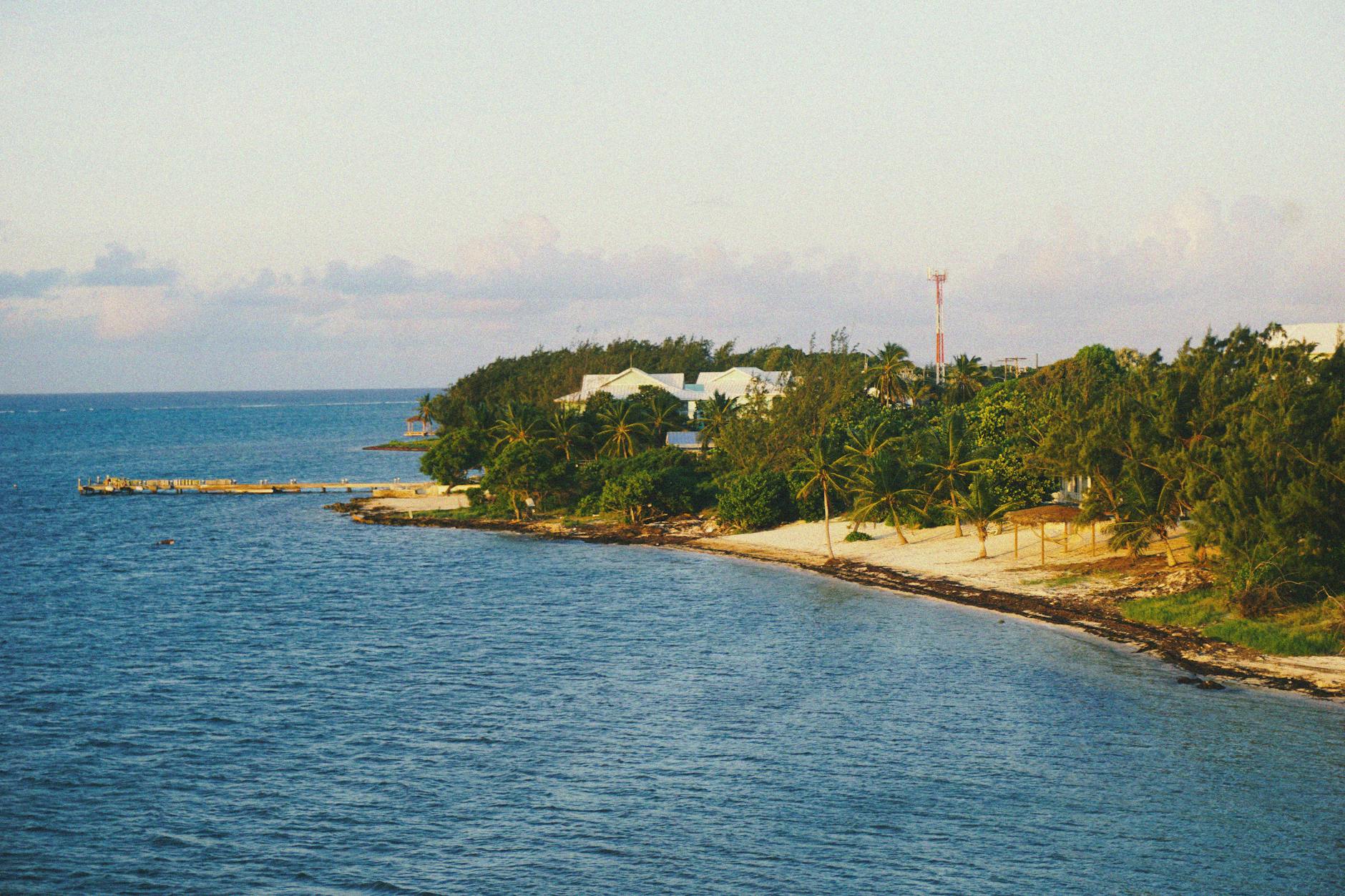
Little Cayman offers an escape from busy tourist areas. Grand Cayman attracts thousands of cruise ship passengers daily. Little Cayman remains untouched and quiet. You will see genuine Caymanian culture here. The people are friendly and unhurried. This island rewards travelers who want to slow down.
World-class diving is the primary reason to visit. Bloody Bay Marine Park contains stunning coral formations. The walls drop 2,000 feet straight down into the ocean. Divers see spotted eagle rays, tarpon, and groupers regularly. Visibility often exceeds 100 feet on clear days. Both beginners and advanced divers find suitable sites here.
Snorkeling is excellent even for non-divers. Point of Sand Beach has shallow coral gardens. You can walk into the water and see fish immediately. Green turtles sometimes appear in these shallow areas. Stingrays visit the sandy bottom regularly.
The island has beautiful, empty beaches. Owen Island offers solitude and clear water. Sandy Bottom Beach provides calm swimming in shallow water. Bight Beach stretches along the north shore. You will rarely see crowds at any beach here. Bring a book and spend hours reading undisturbed.
Nature watching is outstanding. Frigatebirds nest on Booby Pond Island. The pond is a protected sanctuary. Visitors can view birds from a designated observation blind. The breeding season runs from September to March.
Fishing is another popular activity. Bone fishing in the flats is excellent. Deep sea fishing trips leave from the harbor. Your hotel can arrange guided fishing charters.
PRO TIP: Rent a small boat or arrange a charter to visit Booby Pond Island. You must hire a licensed guide to enter the bird sanctuary legally.
Little Cayman for Families
Best forfamilies with teenagersfamilies seeking nature educationfamilies wanting calm beaches
Little Cayman works well for families with older children. The island is very safe. Violent crime is almost nonexistent. Children can safely walk around the main settlements. The small population means everyone knows each other. Locals are watchful and protective of visitors.
Shallow snorkeling is perfect for kids. Point of Sand Beach has water barely three feet deep for the first 100 yards. Children can see fish without diving certifications. Parrotfish, snappers, and groupers swim close to shore. The seabed is sandy with scattered coral heads. No sharp drop-offs exist here.
Beach time is relaxing and screen-free. Sandy Bottom Beach is ideal for young children. The water is shallow and warm. Parents can keep close watch from the shore. The beach has soft sand suitable for sandcastles and digging. Few waves arrive here due to the protected bay location.
Booby Pond Island fascinates children interested in wildlife. Seeing wild birds in their natural habitat teaches conservation. The observation blind lets kids watch nesting activity. Bring binoculars so children can see details up close. A guide will explain the birds' behavior and biology.
Fishing trips appeal to teenage boys. Deep sea fishing combines adventure with outdoor education. Kids learn about ocean ecosystems and fish species. The boat captains are patient with younger anglers. Expect to catch grouper, snapper, or wahoo depending on the season. The captain will clean and cook your catch at food-restaurants.
Restaurants are casual and family-friendly. Most establishments welcome children and serve simple food. Fish and chips are available everywhere. Conch soup is a local specialty. Island thyme, a local restaurant, serves fresh seafood daily.
Accommodation options include small hotels and island resorts. Little Cayman Beach Resort has beachfront rooms. Prices are higher than Grand Cayman due to limited inventory. Budget families should expect to spend more here. The trade-off is a peaceful, authentic experience.
Activities beyond water are limited. This is actually good for families. Less commercial pressure means more time for genuine connection. Reading, playing board games, and exploring suit the island's pace. Bring books and entertainment from home.
Little Cayman for Couples

Best forhoneymoonersromantic getawaysdiving couplescouples seeking quiet retreats
Little Cayman is romantic precisely because it is quiet. You will have beaches entirely to yourself. Sunset watching from Owen Island is unforgettable. The sun drops into the Caribbean Sea without crowds around you. Pack a picnic and watch the sky change colors. This is where romance lives on Little Cayman.
Couples scuba diving together is magical here. Descending the wall together is a shared adventure. You can hold hands while exploring coral formations. Seeing a spotted eagle ray pass by stays with you forever. Underwater photography captures these moments beautifully. Many couples make diving their honeymoon centerpiece.
Dinner options are romantic but simple. Most restaurants are small with limited seating. Island thyme offers oceanfront dining. The meal is fresh catch prepared that morning. Conch is a specialty ingredient in many dishes. Reserve tables in advance as seating fills quickly.
Accommodation is intimate and personal. Little Cayman Beach Resort offers beachfront suites. Each room has a private view. Most hotels have 20 rooms or fewer. This is not resort tourism; this is island hospitality. Staff members will learn your names and preferences quickly.
Nightlife is nonexistent, which suits romantic couples perfectly. There are no nightclubs or bars with crowds. The quiet becomes your entertainment. Star gazing is exceptional due to minimal light pollution. The Southern Cross and Milky Way are clearly visible. Download a stargazing app before you arrive.
Snorkeling together at Point of Sand Beach is peaceful. You can hold hands while floating on the surface. Bright fish surround you constantly. The water is warm and perfectly clear. Float for hours without seeing another person. This simple activity becomes deeply intimate.
Walks along empty beaches cost nothing. Sandy Bottom Beach is never crowded. Bight Beach has miles of sand and shells. Collect shells together and explore tide pools. These unstructured moments strengthen connections. Bring a camera to document your alone time together.
PRO TIP: Plan your arrival for sunset. Your first view of the island will be golden light across calm water. This creates the perfect romantic first impression.
Little Cayman for Solo Travelers
Best forsolo diversintrovertsadventure seekersindependent travelersbudget-conscious visitors
Solo travelers find Little Cayman liberating. The small size means you can navigate everything yourself. Taxi services are informal; ask at your hotel for a ride. Many drivers are locals who share island history. Conversations with drivers become part of your education.
Scuba diving is easier alone than on other islands. Dive shops pair solo divers with groups automatically. You will meet other divers daily. Many solo travelers bond with their dive buddies. Some lifelong friendships start at dive shops. The community aspect replaces the isolation you might feel.
Solo snorkeling is completely safe here. Low crime rates mean you can explore beaches alone. The water is warm and forgiving. Snorkeling equipment rental is available at dive shops. Prices are reasonable and daily rentals are common. Snorkel from multiple beaches throughout your stay.
Solo meals are welcome and normal. Restaurants are small and casual. You can sit at the bar and chat with owners. Most proprietors are Caymanians who love talking about their island. These conversations teach you things guidebooks never cover.
Budget-conscious solo travelers appreciate Little Cayman's simplicity. Guesthouses offer cheaper rates than resorts. Meals are inexpensive at local spots. Entertainment is free: beaches, snorkeling, and walking. Your biggest expense is accommodation and diving.
Solo hiking is possible on simple trails. The island is small enough to explore on foot. Walking from Sandy Bottom to other beaches takes hours. You see natural vegetation and island wildlife. Bring plenty of water and sunscreen. Shade is minimal in many areas.
Reading and reflection suit the island's pace. Many solo travelers bring books for downtime. The quiet helps you think clearly. Libraries are informal; hotels often share books. Join other guests in conversation if you wish, or remain solitary. Both experiences are perfectly acceptable here.
Solo female travelers feel safe on Little Cayman. The community is small and protective. People notice strangers and watch out for them. Violent crime directed at tourists is virtually nonexistent. Women traveling alone should follow standard precautions. Avoid walking alone at night in dark areas.
Solo male travelers enjoy outdoor adventure focus. Fishing charters welcome single anglers. Dive shops pair you with compatible groups. Your shared interest in diving creates instant connections. You will make friends quickly in this small community.
Best Time To Visit Little Cayman

The best months to visit are November through April. Weather is dry and pleasant during this period. Temperatures average 27.8°C. Hurricane season is over by November. Rain is minimal compared to summer months. These six months are peak season.
December and January are the busiest months. Holiday travelers arrive to escape northern winter. Accommodation books up completely. Prices peak during this period. Reserve your hotel four months in advance if visiting December or January.
November and early December are excellent choices. Fewer tourists arrive before the holidays. Prices are lower than December and January. Weather is still perfect for diving and snorkeling. Hotels have more availability. This is an underrated time to visit.
February through April remain strong months. Weather stays warm and dry. Tourism is moderate compared to January. Prices begin dropping in March. The diving is still exceptional. Fewer crowds means more beach solitude.
May through October is off-season. Hurricane season runs June through November. Prices drop significantly. Hotels offer discounts for extended stays. Rain is frequent and afternoon showers are common. Some facilities may have limited hours or close temporarily.
The rainy season brings green vegetation and calm seas. Tourists are rare, making exploration peaceful. Diving visibility can be reduced after heavy rains. Bugs are more active during wet months. Bring insect repellent if visiting during summer.
Hurricane Season Considerations
Hurricane season technically runs June through November. Little Cayman's location puts it below the main hurricane belt. Direct hits are rare. However, tropical storms can occur. Travel insurance is wise during these months. Many travelers avoid this period entirely.
If visiting during hurricane season, book flexible accommodation. Choose hotels with cancellation policies. Register with your embassy before travel. Pack important documents in waterproof bags. Monitor weather forecasts daily. The local government provides advance warning of any threats.
PRO TIP: Visit in March or April for the perfect balance. Weather is ideal, crowds are minimal, and prices are reasonable. You avoid both peak season rush and hurricane season uncertainty.
Getting To Little Cayman
Most visitors fly through Grand Cayman first. International flights arrive at Owen Roberts International Airport. The journey takes one hour from Miami. Direct flights also come from New York, Toronto, and other major cities. Check flight schedules well in advance.
From Grand Cayman, book a small aircraft to Little Cayman. Edward Bodden Airfield is the destination. The flight takes 30 minutes. Cayman Airways operates this route regularly. Other smaller carriers also provide service. Flights operate daily except sometimes Sunday.
Book your internal flight when purchasing international tickets. Connecting flights through Grand Cayman are common. Allow three hours between arrivals. Your checked baggage will transfer automatically on most bookings. Confirm luggage policies with each airline.
The airfield is tiny with basic facilities. Baggage claim is immediate and informal. Your hotel will arrange ground transportation. Most hotels provide airport pickups. The drive to hotels takes 10 to 15 minutes.
No ferry service connects Grand Cayman to Little Cayman. Private boat service exists but is expensive. Flying is the practical option for most travelers. The small aircraft offer good views of the Caribbean below.
Visa and Entry Requirements
Most nationalities do not require a visa for the Cayman Islands. Check the official Cayman Islands government website for your country. Citizens of many countries receive 30-day visitor permits automatically. Your passport must be valid for at least six months beyond your intended stay.
Upon arrival, you will receive a visitor permit in your passport. This document is free. Customs and immigration are efficient and friendly. Expect processing to take 15 minutes maximum. Have your return flight confirmation ready.
Travel insurance is highly recommended but not required. Your insurance should cover diving activities if you plan to dive. Standard travel insurance may not include diving. Purchase specialized dive insurance before departure.
Getting Around Once You Arrive
Little Cayman has no public transportation system. Hotels arrange taxis for guests. Taxi fares are set by the government. Rides cost between $5 to $15 KYD depending on distance. Drivers are friendly and often provide tour commentary.
Car rental is available but unnecessary. The island is small and taxis are convenient. Many visitors find not renting a car reduces stress. You can walk to nearby beaches from central accommodations. For distant spots, arrange a taxi in advance.
Bicycles are available for rent at some hotels. The island is flat, making cycling easy. Bring sun protection and water for any cycling. Roads have minimal traffic, making biking safe.
Dive shops arrange transportation to boat moorings. Hotels provide shuttle service to dive operations. Most water activities include transportation in their fees.
PRO TIP: Exchange money at your bank before travel. ATMs on Little Cayman are limited. US dollars are widely accepted, though local currency is preferred.
Frequently Asked Questions

What Is the Best Way To Plan a Little Cayman Diving Trip?
Book a hotel with an affiliated dive shop. Little Cayman Beach Resort has an excellent dive operation on-site. Many small hotels partner with dive shops for guest convenience. Reserve your flights well in advance, especially for peak season. Purchase dive insurance before departure. Bring your dive certification card. Pack a logbook to document your dives. Most dive shops require proof of certification for open water dives. Budget $100 to $150 USD per dive including equipment rental. Small group sizes mean personalized attention and safer experiences.
Is Little Cayman Safe for Tourists?
Little Cayman is one of the safest Caribbean islands for tourists. The population of 250 means everyone knows each other. Violent crime is extremely rare and targeted at tourists almost never. Petty theft is minimal due to close community monitoring. Avoid leaving valuables in vehicles or on beaches unattended. Lock your hotel room when leaving. Use standard travel safety practices. The small size means you can safely walk most areas during daylight. At night, use taxis rather than walking unfamiliar routes. The local police are friendly and responsive.
How Much Does It Cost To Visit Little Cayman?
Daily costs depend on accommodation and dining choices. Budget guesthouses cost $80 to $120 USD per night. Mid-range hotels charge $150 to $250 USD nightly. Luxury resorts exceed $300 USD per night. Meals at casual spots run $12 to $25 USD per person. Nicer restaurants charge $30 to $50 USD per meal. Diving costs $100 to $150 USD per dive. Snorkeling rentals are $15 to $25 USD daily. Budget travelers spend $150 to $250 USD daily. Mid-range travelers budget $250 to $400 USD daily. Luxury travelers spend $500 USD daily or more.
What Should I Pack for Little Cayman?
Bring lightweight, breathable clothing for warm weather. Pack swim wear, rash guards, and reef-safe sunscreen. Bring prescription medications with original labels. Pack insect repellent for evening comfort. Include a light rain jacket for brief showers. Bring reef-safe sunscreen; sunscreen chemicals harm coral. Pack water shoes for rocky areas and boat decks. Bring a snorkel bag with mask and snorkel if you own them. Carry a camera for documenting diving and beaches. Pack cash and credit cards for expenses. Include a small first aid kit. Bring a reusable water bottle to stay hydrated.
When Is the Best Time To See Sea Turtles on Little Cayman?
Green sea turtles are present year-round but most active March through October. Hawksbill turtles nest May through September. Your best chances are snorkeling at Point of Sand Beach. The shallow water and sandy bottom attract turtles grazing on seagrass. Early morning offers the calmest conditions and best visibility. Hire a guide if you want expert turtle spotting. Guides know feeding areas and turtle behavior patterns. Never touch or chase turtles; observe from a distance. Turtles are protected under Caymanian law. Violating marine protection laws results in heavy fines.