Last updated:
Little Cayman Food and Dining Overview
Little Cayman offers authentic Caribbean dining that surprises most visitors. This tiny island with just 250 residents serves incredible food. Local chefs focus on fresh seafood and traditional recipes. The Little Cayman food dining scene reflects Caymanian culture perfectly.
You will find restaurants ranging from casual beach shacks to upscale establishments. Many restaurants overlook the turquoise Caribbean Sea. Diners enjoy stunning sunsets while eating fresh mahi mahi or conch. The island imports most ingredients, but locals use what they grow.
Little Cayman sits 80 kilometers northeast of Grand Cayman. Most visitors arrive by small plane at Edward Bodden Airfield. The flight takes about 10 minutes from Grand Cayman. Island time moves slowly here, which affects restaurant hours. Always call ahead before visiting any restaurant.
Local Food in Little Cayman You Must Try
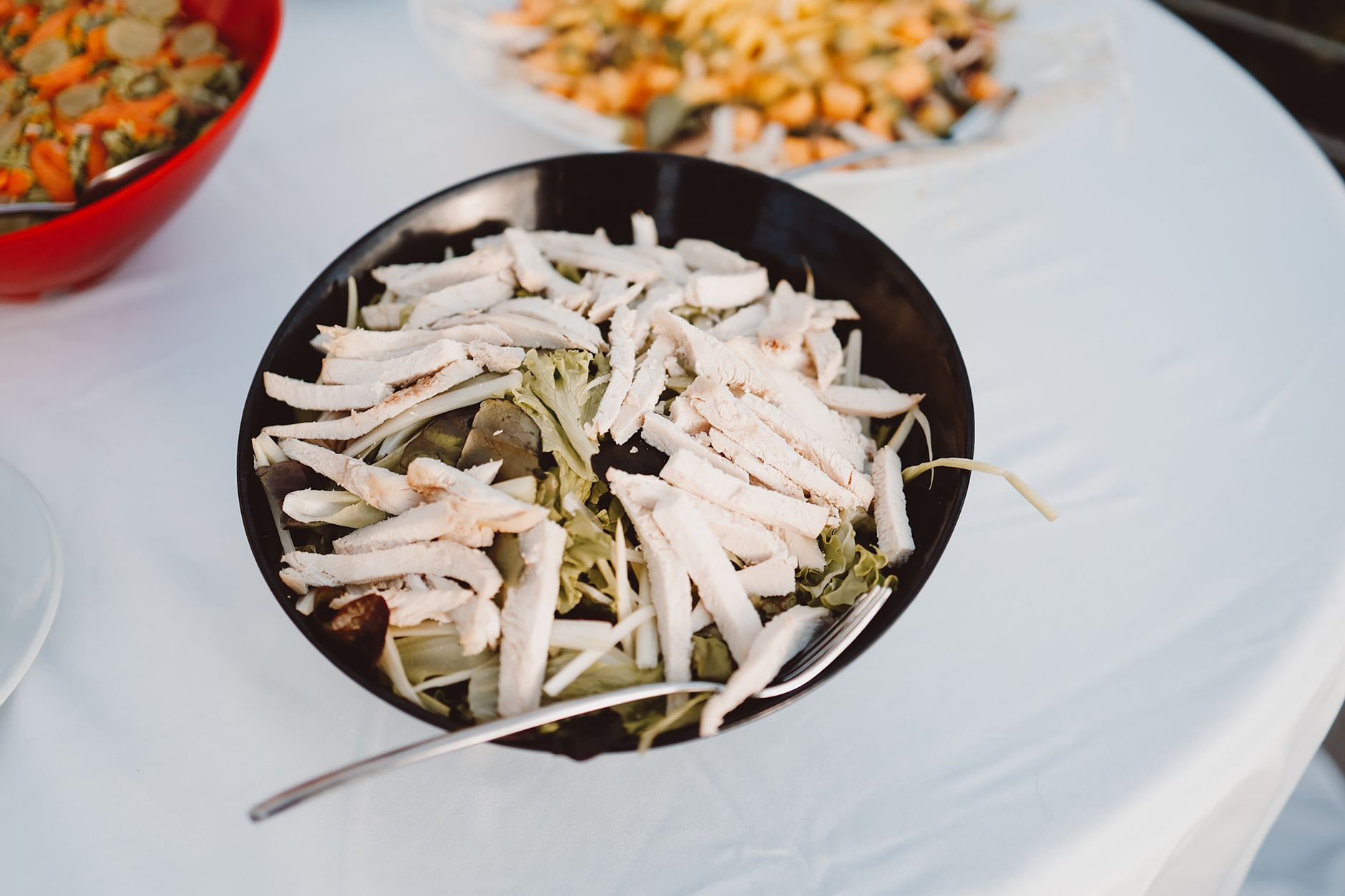
Conch represents the true taste of Little Cayman. Locals prepare conch in multiple ways: raw in salads, fried as fritters, or stewed slowly. The meat is tender and slightly sweet. Fresh conch tastes nothing like frozen versions. You simply must try authentic conch salad here.
Mahi Mahi swims in Caribbean waters surrounding Little Cayman. Chefs grill, pan fry, or bake this white fish perfectly. The meat flakes easily and tastes mild and delicious. Many restaurants offer mahi mahi with island spices and lime juice.
Grouper attracts serious seafood lovers to Little Cayman. Local fishermen catch grouper daily. The flesh is firm and works well in any cooking style. Grouper with Caymanian seasoning creates unforgettable meals. Ask your server if grouper is available fresh today.
Turtle stew appears on some menus as a traditional Caymanian dish. This slow cooked meat becomes tender and rich. Not all visitors enjoy this option, but it represents island heritage. Turtle farming ensures sustainability of this traditional food.
Johnny cakes serve as a breakfast staple across the island. These fried cornmeal patties taste slightly sweet. Locals eat them plain or with salt fish. Johnny cakes appear at almost every restaurant on Little Cayman.
Island fruits include mangoes, papayas, and coconuts. Mango season runs from May through September. Coconut water cools you down on hot days. Fresh fruit smoothies taste incredible and cost very little.
PRO TIP: Visit local fishing docks early morning to see the daily catch. Ask fishermen about their recent catches. They often share recipes and cooking tips with curious travelers. You might find the freshest seafood deals here too.
Best Restaurants in Little Cayman
Hungry Iguana sits in the heart of Little Cayman's main settlement. The restaurant serves fresh seafood and traditional Caymanian dishes. Visitors praise their conch salad and grilled fish. The staff treats everyone warmly and makes excellent recommendations. Seating overlooks the water in most areas.
Paradise Restaurant at Paradise Villas offers casual Caribbean dining. This establishment serves lunch and dinner daily. Grilled fish and seafood dominate the menu. The casual atmosphere suits families and solo diners equally well. Prices remain reasonable for Little Cayman standards.
Driftwood Beachside Café provides beachfront dining experiences. The menu changes based on what local fishermen catch. Tables sit directly on the sand near the water. Sunset dining here creates magical memories. Reservations are essential during peak season.
Little Cayman Restaurant and Bar serves international and local cuisine. The chef prepares steaks alongside seafood specialties. Both meat eaters and fish lovers find satisfaction here. The bar mixes excellent drinks using Caribbean rum. This restaurant accommodates larger groups well.
Edouard's Place offers intimate French Caribbean fusion dining. The chef creates unique dishes combining two culinary traditions. Small portions of food arrive beautifully plated. Reservations are required and highly recommended. This venue suits special occasions perfectly.
PRO TIP: Make restaurant reservations three to four days ahead during November through April. Many restaurants close between 2 PM and 5 PM daily. Some establishments close one or two days weekly without notice. Always call to confirm hours before visiting.
Fine Dining in Little Cayman

Little Cayman offers fine dining experiences despite its small size. Several restaurants present upscale menus using imported and local ingredients. These establishments require advance reservations without exception.
Edouard's Place represents the island's most elegant dining option. The chef studied in France and brings European technique to Caribbean ingredients. Each dish tells a culinary story. Candlelit tables create romantic atmospheres. The wine selection impresses even experienced wine drinkers. Expect to spend time here; service moves at a leisurely pace.
Driftwood Beachside Café elevates casual dining into something special. While not formally fine dining, the kitchen produces exceptional results. Fresh fish arrives simply prepared to showcase its natural flavors. The beachfront setting becomes magical at sunset. Dining here feels refined without feeling stuffy.
Little Cayman Restaurant and Bar maintains high standards in its cooking. Steaks receive proper attention and perfect seasoning. Seafood preparations show technical skill. The presentation matters as much as taste. This restaurant suits business dinners and celebrations.
Fine dining on Little Cayman emphasizes fresh ingredients and skilled preparation. Chefs cannot rely on regular supply chains like larger islands. They work with what arrives and what local fishermen deliver. This constraint produces creative, memorable meals.
Most upscale restaurants ask diners to dress nicely. Men should wear closed toe shoes and shirts with sleeves. Women typically wear casual dresses or nice pants. The island's casual culture means formal dress never appears.
Budget Eating in Little Cayman
Eating affordably on Little Cayman requires strategy and local knowledge. The island imports most food, which increases all prices. However, you can eat well without spending excessively.
Grocery stores offer the cheapest options for self catering. Foster's Food Fair provides the largest selection. You will find fresh produce, meats, and pantry items. Prices run higher than North American stores. Buying simple ingredients and cooking yourself saves significant money.
Beach shacks and casual spots serve affordable meals daily. These informal restaurants prepare simple, hearty food. A lunch plate with rice, vegetables, and protein costs less than $15 KYD. Service is friendly and quick. These places attract locals as well as tourists.
Conch salad vendors set up near the waterfront occasionally. Fresh conch salad in a bag costs around $8 to $10 KYD. You get lime juice, onions, peppers, and fresh conch mixed together. Eat it immediately for the best experience. This is authentic island food at a fair price.
Sunday barbecues happen at various beach locations. Local families gather to cook and eat together. Prices are very low, and the food tastes wonderful. The atmosphere feels genuinely Caymanian. Ask your hotel staff where barbecues are happening.
Breakfast deals offer excellent value. Johnny cakes with eggs cost just a few dollars. Coffee and fresh juice complete the meal. Many restaurants offer breakfast specials daily. Eating a big breakfast can sustain you through the day.
Renting accommodation with a kitchen gives you flexibility. Cooking some meals yourself balances eating out experiences. You save money while still trying restaurants. This approach works well for week long stays.
Street Food and Local Markets
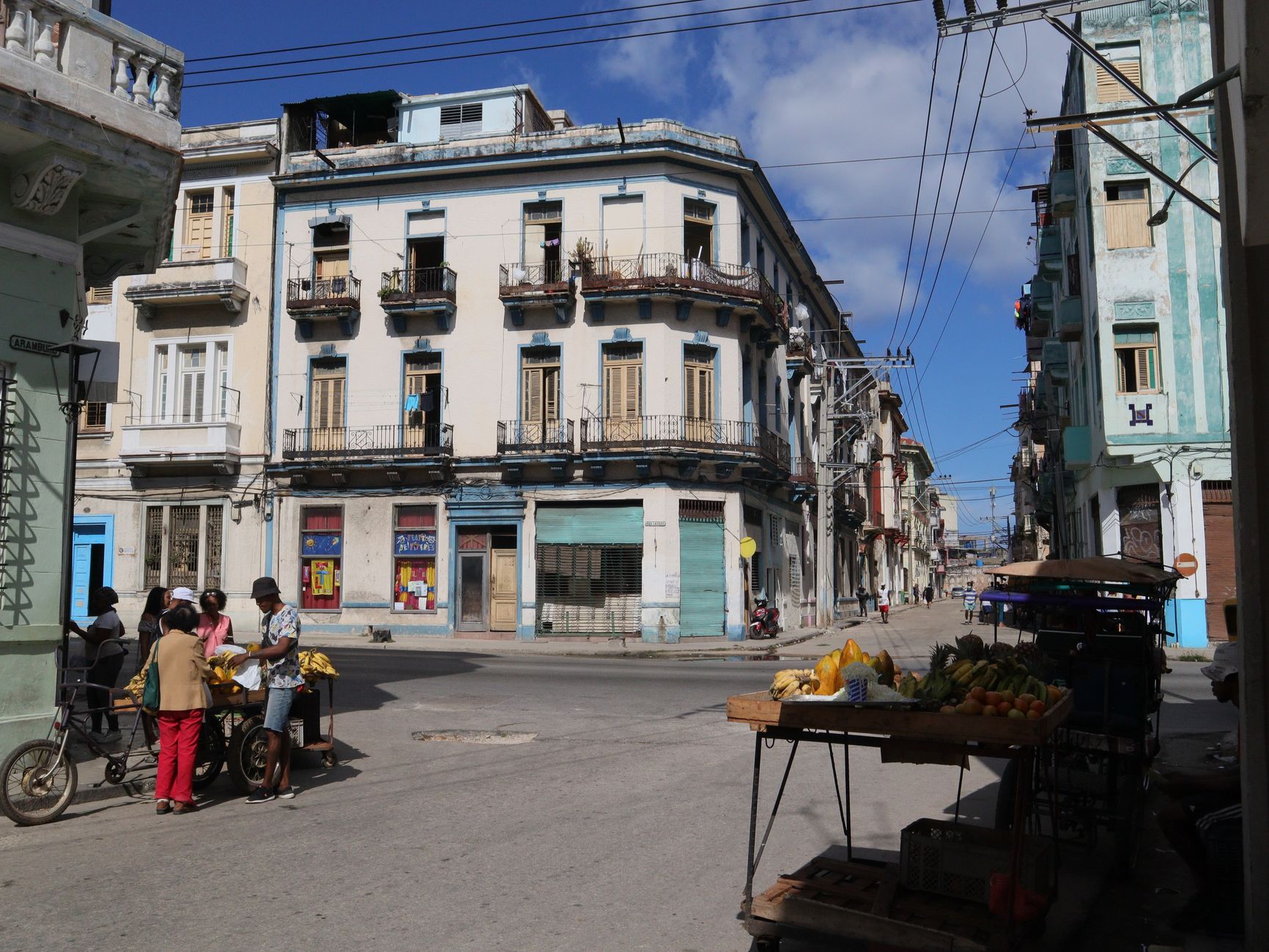
Fish fry events happen seasonally on Little Cayman. Local vendors prepare whole fish, conch, and lobster right there. You sit on benches, eat with your hands, and soak up island culture. Prices remain very affordable. These events are more about community than profit.
Fruit stands appear along roadsides during fruit seasons. Mango, papaya, and coconut vendors sell directly from their harvest. Prices beat grocery stores significantly. The fruit ripens perfectly and tastes exceptional. These vendors usually speak English and enjoy chatting with travelers.
Little Cayman Market operates as an informal gathering spot. Locals bring produce, fish, and prepared foods. Hours are unpredictable and inventory varies daily. This is the real deal for authentic island shopping. Expect to haggle politely and enjoy conversations.
Johnny cake vendors sell from small carts or stands. These fried cornmeal treats cost just a dollar or two. Buy them warm straight from the oil. Add hot sauce or eat them plain. This street food represents pure island comfort.
Fresh coconut water vendors cut open coconuts and give you a straw. Drink straight from the coconut while sitting in the breeze. The refreshment is authentic and costs minimal money. This hydration method keeps locals cool in the heat.
Prepared plates sometimes appear at roadside stands. A wrapped plate contains rice, vegetables, and protein. These meals cost between $8 and $12 KYD. Quality varies, but you find treasures if you ask locals for recommendations. Eating where locals eat ensures good food.
PRO TIP: Ask your hotel staff or local residents where street food vendors will be. Tourist publications may not list these informal spots. Locals know every vendor and their schedules. Friendliness and genuine interest often lead vendors to offer you discounts or extra food.
Food Allergies and Dietary Needs
Little Cayman presents challenges for travelers with food restrictions. The limited restaurant selection means fewer specialized options. However, local chefs show willingness to accommodate requests.
Seafood allergies require extra caution here. Many dishes contain fish or shellfish. Cross contamination can occur in small kitchens. Always inform restaurants clearly and ask specific questions. Do not assume dishes without visible seafood are safe.
Vegetarian dining is possible but requires planning. Most restaurants center meals around fish and meat. You will find rice, beans, and fresh vegetables. Request meat free preparations when making reservations. Bring your own snacks if you eat restrictively.
Vegan options exist but are limited. Some restaurants prepare rice and vegetable dishes. Fresh fruits are abundant on the island. You might need to combine several small dishes into a meal. Plan meals around the grocery store and self catering.
Gluten free dining requires communication with restaurants. Many dishes use breaded fish and flour based sides. Ask about ingredients and preparation methods. Some restaurants can modify dishes to be gluten free. Celiac disease requires extra vigilance on small islands.
Dairy restrictions mean avoiding cream sauces. Simple grilled fish works perfectly for this diet. Rice and vegetables substitute for dairy-based sides. Most restaurants accommodate by serving simple preparations.
Call restaurants at least two days before dining. Explain your needs clearly and ask what they can prepare. Small kitchens require advance notice to source special ingredients. Flexibility helps; focus on what you can eat rather than restrictions.
Frequently Asked Questions

What Is the Best Time To Visit Little Cayman for Dining?
November through April offers the best dining experiences. The weather is perfect, and restaurants are fully staffed. Water temperatures remain warm for swimming and diving. Hurricane season ends, and tourists fill the island. Restaurant hours are reliable during these months. May through October brings lower prices but limited dining options. Many restaurants close or reduce hours. Weather becomes unpredictable with frequent rain. Tourist crowds disappear, making reservations easier. Summer months suit budget travelers willing to accept limited choices.
Do I Need To Make Reservations at Little Cayman Restaurants?
Yes, reservations are essential, especially November through April. Most restaurants operate with small kitchen staffs. They prepare food based on expected guests and ingredient availability. Walking in without reservations often results in long waits or being turned away. Call your chosen restaurant three to four days ahead. Provide your party size and any dietary requirements. Confirm your reservation the day before. Some casual beach shacks accept walk-ins, but planning ahead guarantees better experiences.
What Dining Options Exist for Families With Children?
Little Cayman restaurants welcome families and children warmly. Most menus include simple grilled fish that appeals to young palates. Casual establishments like Hungry Iguana and Paradise Restaurant suit families well. Children enjoy watching boats and water views while eating. High chairs and booster seats are sometimes available; ask when reserving. Pack snacks and fruits for beach days. Grocery stores provide sandwich ingredients if children prefer familiar foods. Early dining around 5 or 6 PM works best for families.
How Much Should I Budget for Meals on Little Cayman?
Budget approximately 40 to 60 KYD per person daily for dining out. Lunch plates run 15 to 25 KYD at casual spots. Dinner at mid-range restaurants costs 30 to 50 KYD per person. Fine dining reaches 80 to 120 KYD per person. Breakfast is cheapest at 10 to 15 KYD. Street food and conch salad cost 8 to 12 KYD. Renting a kitchen-equipped villa significantly reduces costs. Grocery shopping and cooking half your meals cuts food expenses in half.
What Payment Methods Do Restaurants Accept?
Most restaurants accept both Cayman Islands dollars and US dollars. Credit cards are widely accepted at established restaurants. Visa and Mastercard work at nearly all venues. Small casual spots and street vendors prefer cash. ATMs exist on the island; withdraw cash upon arrival. Tipping is customary; add 15 to 18 percent for good service. Some restaurants automatically add gratuity to bills. Always ask if it is included before adding additional tips. Carrying cash provides flexibility for beach vendors and informal spots.